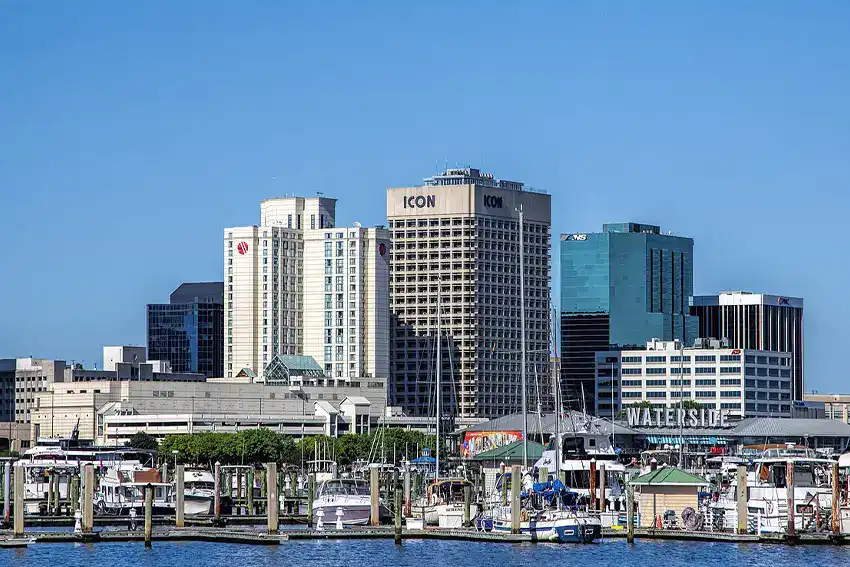








All About Moving to Norfolk
This guide walks you through everything you need to know before you pack the moving truck, from understanding where is Norfolk Virginia exactly to questions about safety, cost of living, neighborhoods, and day-to-day life.
By the end, you will have a clear picture of what living in Norfolk VA is really like in 2026, plus practical tips to plan a smooth move and settle in with confidence. If you’re looking for professional help with your move, check out our comprehensive residential moving services for a smooth transition to Norfolk.
Where Is Norfolk, Virginia?
If you are wondering where is Norfolk, the city sits in southeastern Virginia on the Elizabeth River, right where it opens into the Chesapeake Bay. Norfolk is part of the Hampton Roads region, a large metro area that includes Virginia Beach, Chesapeake, Portsmouth, Suffolk, Newport News, and Hampton. This cluster of cities is linked by a network of bridges and tunnels that cross or go under the region’s many waterways.
Norfolk is about an hour from the North Carolina border and a few hours’ drive from major cities like Washington, D.C., and Raleigh. Its coastal position makes it a strategic military and shipping hub. Norfolk is home to Naval Station Norfolk, the largest naval base in the world, as well as a major commercial port. If you enjoy access to beaches, rivers, and bays, you will appreciate how close Norfolk is to fishing, boating, and oceanfront relaxation.
Because the city is so interconnected with nearby communities, many people considering moving to Norfolk also research neighboring areas. If you want to compare lifestyle and housing options, it can be helpful to read about moving to Virginia Beach and other Hampton Roads cities to understand how Norfolk fits into the broader region.
What Is the Norfolk, VA Population?
The Norfolk VA population in 2026 is just under 250,000 residents, making it one of the larger independent cities in Virginia but still far smaller than mega-metros like New York or Washington, D.C. Norfolk feels like a mid-sized city with a distinct identity, not a sprawling, anonymous suburb.
Several factors shape the city’s demographics:
- Military presence: A significant share of residents are active-duty military, veterans, or civilian employees connected to the Navy and other branches of the armed forces. This adds to the city’s diversity and fuels a steady demand for rentals and starter homes.
- Students and academics: Norfolk hosts institutions such as Old Dominion University (ODU), Norfolk State University, and Eastern Virginia Medical School. This student and academic population brings energy, research, and innovation to local neighborhoods.
- Long-time locals: Many families have lived in Norfolk for generations, especially in historic neighborhoods near the water. This gives the city a strong sense of community and local pride.
The size of the Norfolk VA population means you get plenty of amenities – museums, restaurants, music venues, and sports – without the overwhelming crowds of a mega-city. It also means different neighborhoods can feel very distinct, from dense urban blocks downtown to quieter, tree-lined residential streets farther out.
Is Norfolk, VA Safe?
A common question people ask before relocating is, is Norfolk VA safe? The honest answer is that safety varies significantly by neighborhood, time of day, and your personal habits, just like in most mid-sized American cities.
Some key points about safety in Norfolk:
- Variation by neighborhood: Certain areas near downtown and some older corridors have higher crime rates, especially property crime. At the same time, there are many stable, relatively quiet residential neighborhoods where residents feel comfortable walking dogs, jogging, and letting kids play outside.
- Urban environment: Norfolk is a real city, not a small town, and it comes with typical urban issues such as car break-ins, occasional theft, and nightlife-related incidents. Taking basic precautions – locking your car, not leaving valuables visible, and being aware of your surroundings – goes a long way.
- Active community and policing: Neighborhood civic leagues and community associations are common and often work closely with local police to address concerns, improve lighting, support neighborhood watches, and organize events that strengthen community ties.
When evaluating the question, is Norfolk VA safe for me, it is best to research crime maps, talk to locals, and, if possible, visit targeted neighborhoods at different times of day. You might also compare Norfolk’s safety picture with nearby cities. Resources like this overview of the safest neighborhoods in Virginia Beach can offer helpful regional context and show how safety varies from city to city in Hampton Roads.
Best Neighborhoods When Moving to Norfolk, VA
Choosing the right neighborhood is arguably the most important decision when moving to Norfolk VA. Your choice affects everything from commute time to school options and even how connected you feel to the community. Here are some popular types of areas new residents often consider:
Downtown and Urban-Core Living
If you want walkable access to restaurants, nightlife, and waterfront attractions, downtown Norfolk and nearby urban neighborhoods might appeal to you. You will find modern apartments, lofts in converted warehouses, and condos with river views. This area generally offers:
- Easy access to offices, courthouses, and business centers
- Short walks to the waterfront, cultural venues, and festivals
- Limited parking in some blocks, and a more energetic, city feel
Historic and Residential Neighborhoods
Tree-lined streets, older homes with character, and a strong sense of community define many of Norfolk’s historic areas. In these neighborhoods, you will often see front porches, local parks, and neighbors who have known each other for years. Some streets are close to the water, offering scenic views and boating access.
Suburban-Style Areas
On the edges of the city, some neighborhoods feel more suburban, with cul-de-sacs, driveways, and newer construction. These areas can be attractive for families who want a quieter setting but still want to benefit from Norfolk’s schools, jobs, and attractions. If you like this lifestyle but are open to living just outside the city limits, you might compare Norfolk with nearby communities using regional guides such as whether to live in Virginia Beach or Chesapeake.
Cost of Living and Housing in Norfolk
Cost of living is one of the main reasons people consider living in Norfolk VA. While prices have risen in many coastal cities, Norfolk tends to remain more affordable than bigger East Coast hubs, especially when it comes to housing.
Here is what to expect:
- Rent: Rents vary widely by neighborhood and building type. Luxury high-rises near the water cost more, while older garden-style apartments can be more budget-friendly. Sharing a larger rental home is common among students and military households.
- Home prices: Single-family homes in established neighborhoods often cost less than similar properties in larger metros. Waterfront or newly renovated homes command a premium.
- Utilities and transportation: Utility costs are fairly typical for the region. You will likely need a car for most day-to-day errands, though some neighborhoods are walkable or bike-friendly and have access to light rail or bus lines.
If you are comparing Norfolk with a nearby coastal market, it is worth looking at breakdowns such as this guide on cost of living and lifestyle in Virginia Beach. Seeing side-by-side comparisons can clarify whether Norfolk’s mix of price, commute, and culture aligns with your priorities. For a deeper look into what it’s like to call Norfolk home, be sure to read our detailed blog on living in Norfolk.
Lifestyle and What It Is Like Living in Norfolk, VA
Day-to-day, living in Norfolk VA blends waterfront leisure, military-driven stability, and growing arts and food scenes. The city has worked in recent years to improve its downtown, expand bike paths, and support festivals that bring residents together.
Highlights of the Norfolk lifestyle include:
- Waterfront access: You are never far from the water, whether it is the Elizabeth River, Chesapeake Bay, or oceanfront beaches in nearby cities. Boating, sailing, kayaking, and paddleboarding are popular, and there are plenty of spots to enjoy a sunset near the water.
- Arts and culture: Norfolk’s cultural offerings include museums, theaters, music venues, and public art. Seasonal festivals, food events, and harbor celebrations keep the calendar busy.
- Food and nightlife: From craft breweries to seafood restaurants and coffee shops, the dining scene continues to grow. You will find everything from casual local favorites to higher-end spots for special occasions.
- Community events: Neighborhood block parties, farmers markets, and civic league meetings are common, creating opportunities to meet people and get involved.
For a more detailed lifestyle snapshot, you can also explore dedicated local overviews such as this focused piece on living in Norfolk, VA, which breaks down neighborhoods, amenities, and pros and cons from a resident’s perspective.
Pros and Cons of Moving to Norfolk, VA
Every city has trade-offs. Here is a balanced look at the advantages and disadvantages of moving to Norfolk VA in 2026.
Pros
- Relative affordability: Compared with many East Coast coastal cities, Norfolk’s housing and overall cost of living are often more approachable, especially for first-time buyers and renters moving from higher-cost areas.
- Strong military and healthcare presence: Naval Station Norfolk, shipyards, and regional hospitals provide a diverse range of jobs and economic stability.
- Access to water and outdoor activities: Boating, fishing, and beach trips are all within easy reach, making it appealing for people who prefer an active, outdoorsy lifestyle.
- Growing cultural scene: The city has been investing in arts, events, and dining, offering more to do each year for residents of all ages.
Cons
- Traffic and tunnels: The bridges and tunnels connecting Norfolk with other Hampton Roads cities can become congested, especially during rush hours or tourist season.
- Flooding and storms: Being a coastal city, Norfolk faces flooding in some low-lying areas during heavy rain or storm surges. It is crucial to research flood zones carefully before buying or renting.
- Mixed school ratings by neighborhood: Public school quality varies by zone. Families with school-age children should research individual schools to find the best fit.
- Urban crime patterns: Some neighborhoods experience higher crime rates. Doing your homework on specific areas is important before you commit.
Practical Steps and Tips for Planning Your Move
Once you decide that moving to Norfolk VA is the right choice, good planning will make the relocation much smoother. Consider the following step-by-step approach:
- Define your priorities. Decide what matters most: commute time, school quality, walkability, access to water, or house size. This will narrow your neighborhood search quickly.
- Research neighborhoods in detail. Use online maps, local forums, and crime data. If possible, visit in person to see how areas feel during the day and at night.
- Set a realistic budget. Factor in rent or mortgage, utilities, insurance (including flood insurance if applicable), transportation, and everyday expenses. Compare with your current city to avoid surprises.
- Time your move. Summer and early fall can be busier in coastal cities. If you want more rental choices and potentially better rates, consider an off-peak move.
- Plan logistics early. Decide whether you will hire full-service movers, use a moving truck, or opt for a hybrid approach. Guides like this step-by-step article on how to load a moving truck properly can help you avoid damage and stress on moving day.
As you pack, keep in mind that coastal humidity and occasional storms mean you will want to protect items like books, wooden furniture, and electronics carefully. Resources such as tips on moving books safely and efficiently or advice on handling heavy items can save you both time and money if you are doing part of the move yourself.
Moving Smart: Avoiding Common Mistakes
Relocating to a new city is a big project. Thoughtful planning can help you avoid many headaches when moving to Norfolk VA. Some frequent mistakes include underestimating packing time, failing to label boxes clearly, or not reserving building loading docks and elevators.
To stay organized:
- Create a written moving checklist that covers timelines, service transfers, and address changes.
- Declutter aggressively before packing so you are not paying to move items you no longer need.
- Use sturdy boxes and proper padding, especially for fragile or moisture-sensitive belongings.
If you have never completed a long-distance or cross-state move before, learning from others’ experiences can be invaluable. A detailed guide on the top moving mistakes and how to avoid them can help you think through logistics, budgeting, and timelines well before the truck arrives.
Conclusion
Moving to Norfolk VA can be a smart decision if you want coastal living, a diverse population, and a growing city that remains relatively affordable in 2026. Understanding where is Norfolk Virginia, what the Norfolk VA population looks like, and how to answer your own question, is Norfolk VA safe for me, will help you choose the right neighborhood and lifestyle.
Take time to research individual areas, weigh the pros and cons, and plan your move carefully. If you do your homework and avoid common moving pitfalls, you can arrive prepared, settle in quickly, and start enjoying everything that living in Norfolk VA has to offer – from waterfront sunsets and local events to a community that reflects both its historic roots and its modern ambitions.